Latest Indian Aviation News
Viksit Gujarat Industrial Policy 2026 Explained: Incentives, MSME Benefits and Key Highlights
2026-06-29
Explore the Viksit Gujarat Industrial Policy 2026 with key incentives for MSMEs, startups and mega projects, thrust sectors, green energy initiatives, investment benefits, and major reforms driving Gujarat s vision for a 3.5 trillion economy by 2047.
Read more →Interglobe Aviation among 4 stocks flashing bullish signals, hinting at a possible uptrend
2026-06-29
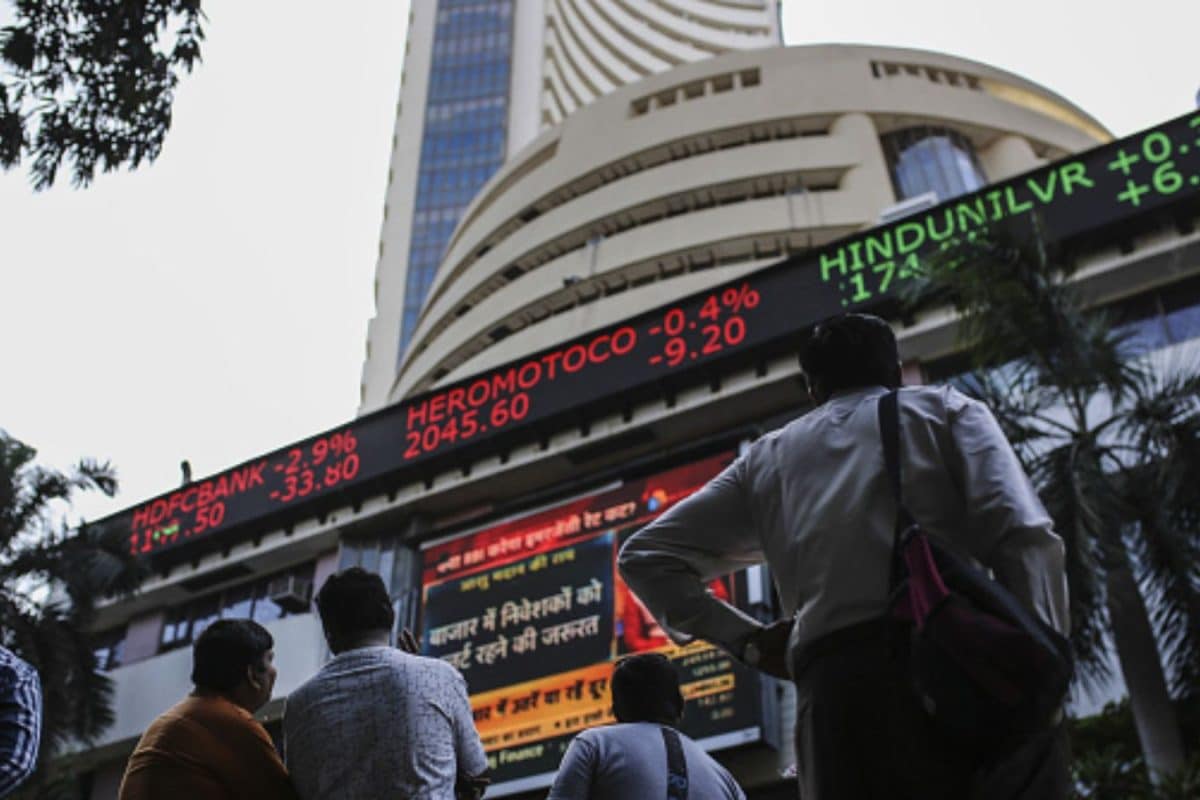
Four Nifty500 stocks formed a bullish White Marubozu pattern, signalling strong buying interest throughout the session. Mahindra & Mahindra Financial Services, Tata Motors, Asahi India Glass and InterGlobe Aviation featured on the scanner.
Read more →
Sensex Today | Stock Market Live: GIFT Nifty indicates a muted start; Asia, US markets mixed
2026-06-29
Sensex Today | Stock Market LIVE Updates: The S&P 500 ended marginally lower on Friday, with a steep drop in AI-related chip stocks and sharp gains in Moderna and other healthcare stocks. The S&P 500 declined 0.05% to end the session at 7,353.95 points. The Nasdaq declined 0.24% to 25,297.62 points, while the Dow Jones Industrial Average declined 0.09% to 51,876.11 points.
Read more →
GIFT Nifty signals quiet start for Sensex, Nifty; Brent Crude near $75 after US-Iran strikes
2026-06-29
Track June 29 market cues: oil climbs near $75 on US-Iran tensions, GIFT Nifty signals a muted open, and FIIs/DIIs buy equities.
Read more →
Fossil Fuel Energy Industry Outlook Highlights Investment and Technology Opportunities
2026-06-29
The Fossil Fuel Energy Market to reach $10.6 trillion by 2031, supported by growing industrialization, transportation demand, and energy consumption worldwide.
Read more →
Artificial Tears Market Size, Share, Growth, 2034
2026-06-29
The artificial tears market size is projected to grow from $2.78 billion in 2026 to $5.04 billion by 2034, at a CAGR of 7.74% during the forecast period 2026–2034.
Read more →
From floods to war, state-run oil firms prove indispensable despite repeated privatisation bids
2026-06-28
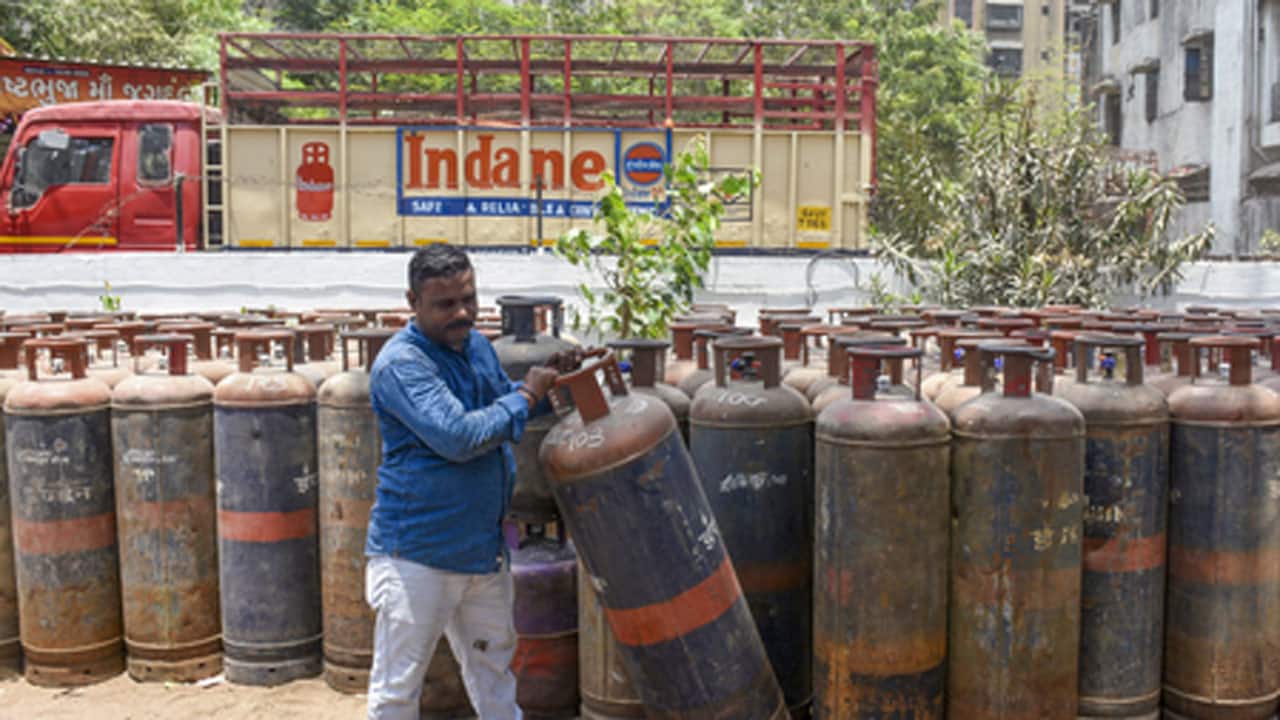
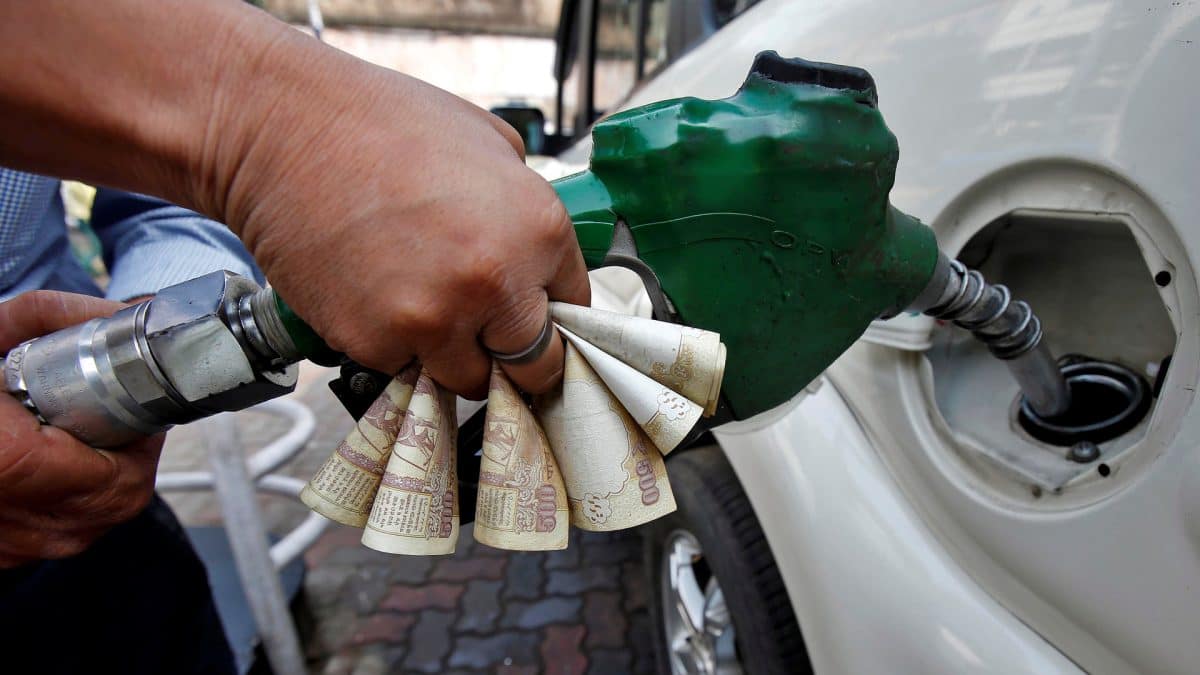
New Delhi, Jun 28: Every time India has faced a major crisis - whether devastating floods, a once-in-a-century pandemic or the latest conflict in West Asia that threatened global oil supplies - it has been the country's state-run oil companies that have quietly kept fuel flowing. For decades, India's public sector oil marketing companies (OMCs) have often been criticised for low returns, government intervention in fuel pricing and bloated operations. They have twice been put on the block for privatisation, with plans to sell Bharat Petroleum Corp Ltd (BPCL) and Hindustan Petroleum Corporation Ltd (HPCL) gathering momentum in 2002 before being halted by a Supreme Court ruling and again in 2020, before the process was abandoned after failing to attract enough bids. Yet every national emergency has reinforced why governments have been reluctant to loosen their grip on companies that control the country's energy lifeline, analysts and industry officials said. When unprecedented floods submerged Chennai in 2015, Indian Oil Corp (IOC), BPCL and HPCL scrambled to move fuel through alternative routes, restore inundated depots and keep emergency services supplied even as roads disappeared under water and retail outlets shut. During the COVID-19 pandemic, the companies operated virtually uninterrupted despite nationwide lockdowns. Fuel stations remained open, refineries continued operating with skeletal staff, LPG cylinders were delivered to millions of households under strict mobility restrictions and aviation fuel supplies were maintained for relief and medical flights, they said. Engineers isolated operating teams inside refineries for weeks to ensure continuous production, while tanker drivers and LPG delivery personnel worked through curfews and containment zones. The latest conflict in West Asia once again highlighted its strategic importance. As the Iran war disrupted crude trade routes and raised concerns over supplies through the Strait of Hormuz, India's state refiners rapidly reconfigured operations. They increased LPG production by diverting refinery streams away from petrochemicals, diversified crude procurement across geographies, optimised refinery runs based on available feedstock and coordinated fuel supplies nationwide to avoid local shortages. "The result was that no corner of the country went without fuel. Unlike several countries, including those in the neighbourhood, India did not see any rationing of fuel," an industry official said. The companies also leaned on India's strategic petroleum reserves and commercial inventories, while working closely with the government to reassure markets that adequate supplies would be maintained. All this they did while passing on the least minimum impact of the spurt in global oil prices to consumers. For a good two-and-a-half months, the three firms absorbed the more than 50 per cent spurt in international oil prices and then raised petrol and diesel prices by Rs 7.50 a litre each, LPG rates by Rs 89 per cylinder and CNG by Rs 6 per kg - much lower than the increase seen in major economies around the globe. The response reflected a playbook honed over decades: absorb global shocks first and shield consumers for as long as possible. That came at a cost. Even as IOC, BPCL and HPCL await full government compensation for selling subsidised cooking gas in 2025-26, they chose to hold petrol and diesel prices steady through more than three months of turmoil in West Asia, sacrificing earnings to cushion consumers. According to Crisil Ratings, the three state-run retailers are estimated to have incurred net under-recoveries of Rs 40,000-45,000 crore between March and May, after accounting for inventory gains - almost equivalent to their combined annual profits. Private-sector fuel retailers, by contrast, passed on higher costs more quickly. Companies, such as Nayara Energy and Shell, raised pump prices by a steeper margin during the period, industry officials said. A similar pattern played out during the COVID-19 pandemic. As demand collapsed and fuel marketing became unviable, several private retailers put up "no stock" signs at outlets across the country. State-run OMCs continued supplies, with the government invoking emergency provisions to ensure private outlets were also supplied with fuel, even if at prices higher than those charged by public-sector retailers. Industry officials said India could have faced a very different situation had either BPCL or HPCL, which together account for roughly half of the country's fuel retail network and around a quarter of sales each, been privatised under the government's disinvestment plans in the early 2000s or again two decades later. Unlike state-owned firms, private owners would have been under little obligation to sell petrol, diesel or LPG below market prices or absorb prolonged under-recoveries in the national interest, they said. "What that would have meant for a country as dependent on imported oil as India can only be imagined," one official said, arguing that public ownership has enabled the companies to prioritise energy security over profitability during successive crises. Unlike purely commercial energy companies, India's state-run refiners are expected to fulfil a strategic mandate alongside generating profits. Together, IOC, BPCL and HPCL account for nearly 90 per cent of the country's fuel retail network, operate most of its refining capacity, maintain extensive pipeline infrastructure and supply petroleum products to every corner of the country, including remote regions where private operators often have little commercial incentive to serve. Their nationwide footprint also enables governments to rapidly execute emergency policy decisions. Whether distributing subsidised LPG cylinders during the pandemic, ensuring diesel availability during natural disasters or managing inventories during periods of global supply disruption, public sector companies have often functioned as an extension of the state's crisis-response machinery. That strategic role has repeatedly complicated efforts to privatise them.
Read more →
India’s ethanol story enters its next phase. 3 companies to watch
2026-06-28
E20 was just the beginning. As India's ethanol ambitions expand, we examine three businesses shaping the sector's next phase of growth.
Read more →
India, Seychelles discuss greater connectivity, USD 175 mn package
2026-06-28
During PM Modi's state visit, India and Seychelles discussed greater connectivity and a USD 175 million special economic package. The aid will cover priority sectors like social housing, green mobility, and maritime security, says Vikram Misri.
Read more →
India and Seychelles Explore New Cooperation in Green Mobility and Housing
2026-06-28
India and Seychelles discuss new cooperation areas including social housing, green mobility, and a $175 million economic package. Foreign Secretary Vikram Misri provides details.
Read more →